Magnetic Field
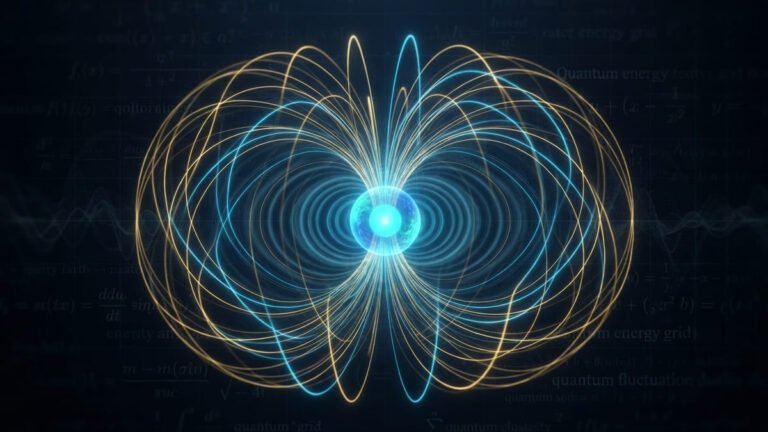
What is a magnetic field? A magnetic field is an invisible force field created by moving electric charges (e.g., an electric current) or by the spin angular momentum of electrons (aka electron spin). It is a region of space in which a magnetic force can act on other magnets or on magnetic materials (e.g., iron). The force that a magnet exerts on an object increases as the object nears the magnet. In contrast, this force decreases as the object moves away from the magnet.
In permanent magnets made of iron, cobalt, or nickel, the magnetic field comes mainly from the unpaired 3d electrons in each atom. The spins of those electrons produce tiny magnetic fields. When the atomic magnetic fields line up, they add together. (For more details of why these three metals can form permanent magnets, see Why Can Iron, Cobalt, and Nickel Be Ferromagnetic?) They create the strong field that lets a household magnet hold a note on a refrigerator.
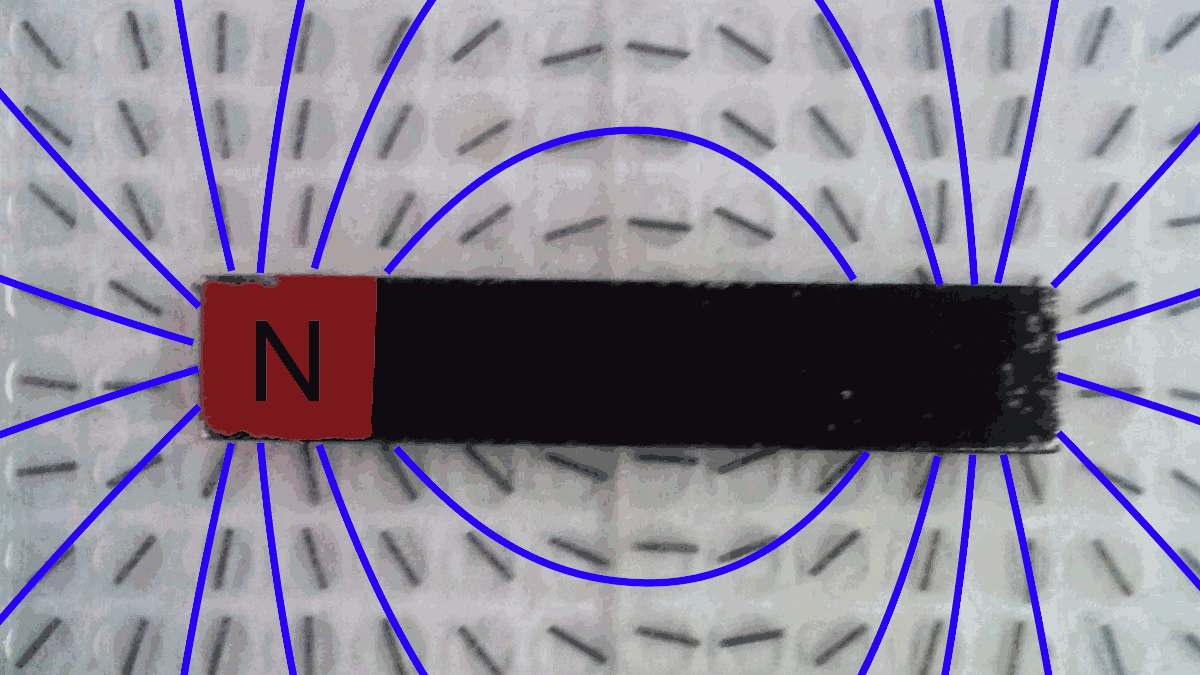
Magnetic field lines offer a simple way to picture the field. Iron filings or a compass, for example, can reveal the pattern of these lines around a magnet. The lines are closer together where the field is stronger. In contrast, the lines are farther apart where the field is weaker.
A refrigerator magnet provides a clear everyday example of a magnetic field. Place it on top of a note on a metal refrigerator door, and the magnet will hold the note in place against gravity. The magnetic force pulls on the iron in the door and keeps the note from falling. Move the note a few centimeters away, and the force decreases quickly. As a result, the note drops.
In summary, a magnetic field is the invisible region that turns moving charges or electron spins into forces that you can observe and use. The force that the field exerts on an object depends on the distance of the object from the magnet.
Image of bar magnet on compass board with field lines. Original version: Yzarc-pan. This version:Chetvorno, CC by SA 4.0 via Wikimedia Commons